Gum Disease Treatment for Mild Gingivitis: First Steps

Mild gingivitis is easy to dismiss because it rarely arrives with dramatic pain. Most people notice a little pink in the sink after brushing, slight tenderness at the gumline, or gums that look puffier than usual. Then life gets busy, the bleeding seems occasional, and the problem gets filed away as something minor. In practice, this is the moment that matters most.
When gingivitis is caught early, treatment is usually straightforward, conservative, and highly effective. That is the good news. The harder truth is that mild gum inflammation can sit in plain sight for months while the tissues continue reacting to plaque, food debris, and bacteria around the teeth. The first steps of Gum Disease Treatment are not glamorous, but they work. They center on removing the cause of inflammation, reducing bacterial buildup, and giving the gums a chance to heal.
The key distinction is this: gingivitis affects the gums, but it does not yet involve the deeper, permanent support structures that are damaged in periodontitis. That is why timing matters. Once the condition progresses into bone and connective tissue loss, treatment becomes more complex and maintenance becomes lifelong in a more demanding way. With mild gingivitis, the goal is to reverse the process before that line is crossed.
What mild gingivitis usually looks like
Healthy gums are generally firm, pale to coral pink, and snug around the teeth, though natural pigment varies from person to person. Gingivitis changes that appearance. The gums may look redder, shinier, swollen, or rounded at the margins. They often bleed during brushing or flossing. Some people notice bad breath that lingers despite mouthwash. Others become aware of a metallic taste or mild sensitivity where the gums meet the teeth.
A detail many patients find surprising is that pain is not a reliable marker. Mild gingivitis can be active even when nothing hurts. That painless phase is one reason routine cleanings matter. A clinician may see inflammation and plaque accumulation in a mouth that the patient thought was doing fine.
There are also edge cases worth noting. Hormonal shifts during pregnancy, puberty, and menopause can make gums more reactive. Certain medications can contribute to gum enlargement or dry mouth, which complicates plaque control. Smoking and vaping may blunt the obvious signs, especially bleeding, even while the tissues are under stress. That means a person can have unhealthy gums without the classic sink-full-of-blood warning.
Why the gums bleed in the first place
Bleeding gums are often treated like a sign to stop brushing the area. In reality, the opposite is usually true. The bleeding happens because plaque has been left undisturbed long enough for the gums to become inflamed. Those tissues become more fragile and more likely to bleed on contact. If you avoid cleaning them, the inflammation usually worsens.
Plaque is a sticky biofilm, not just leftover food. It forms continuously on tooth surfaces, especially near the gumline and between teeth. When it is not removed well, bacteria in the film irritate the surrounding tissue. Over time, plaque can harden into calculus, also called tartar, which cannot be removed with a toothbrush at home. Once calculus is present, professional cleaning becomes an important part of Gum Disease Treatment because those rough deposits hold more bacteria and keep the gums inflamed.
This is where patient expectations matter. Mild gingivitis often improves quickly, but not instantly. If brushing and flossing have been inconsistent, the gums may bleed more for several days when proper cleaning restarts. That short phase can be discouraging. Done correctly and gently, consistent cleaning usually reduces bleeding rather than causing harm.
The first practical step: get a proper dental evaluation
Home care is essential, but it should not replace an exam. Mild gingivitis can look simple from the bathroom mirror, yet a professional evaluation helps answer questions that affect treatment. Is the problem limited to the gums, or are there deeper pockets suggesting early periodontitis? Is calculus present below the gumline? Are there defective fillings, crowding, mouth breathing, dry mouth, or appliance issues making plaque control harder?
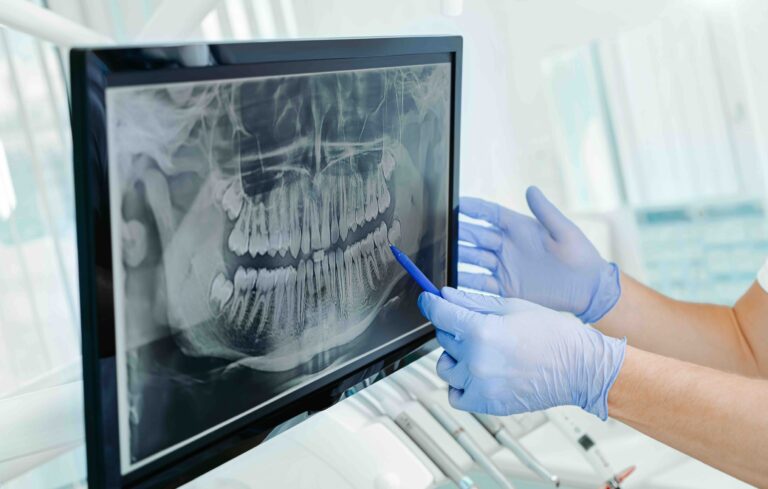
A dental exam for suspected gingivitis is usually uncomplicated. The clinician will inspect the gums, check for plaque and calculus, and often measure gum pockets with a periodontal probe. That measuring tool sounds more intimidating than it feels. In a healthy or mildly inflamed mouth, probing is brief and provides useful baseline information. X-rays may be recommended if there is concern about bone levels, but they are not automatically needed in every mild case.
Patients sometimes hesitate because they worry any mention of gum bleeding will lead to aggressive treatment. In mild gingivitis, the opposite is more common. The plan is often a professional cleaning, personalized home care instruction, and a shorter follow-up interval to make sure healing occurs.
What professional cleaning actually accomplishes
For mild gingivitis, a standard professional cleaning is often the starting point. The purpose is simple: remove plaque, calculus, and stain so the gums are no longer sitting next to irritants every hour of the day. This creates the conditions for healing. If deposits are light and the inflammation is truly mild, many people notice less bleeding within one to two weeks after a cleaning paired with better home care.
It helps to be realistic about terminology. A regular prophylaxis cleaning is different from deeper periodontal therapy used for more advanced disease. Mild gingivitis does not automatically mean a person needs scaling and root planing. At the same time, if the exam shows deeper pockets or heavier subgingival buildup than expected, the dentist or hygienist may recommend treatment beyond a routine polish. That is not upselling by default. It reflects disease severity.
A good cleaning visit also gives the clinician a chance to identify technique problems. Sometimes the issue is not neglect but inefficiency. I have seen careful brushers consistently miss the gumline behind the lower front teeth, where calculus tends to build quickly. I have also seen people floss every night yet snap the floss through the contact and skip the C-shaped wrap against the tooth, leaving plaque behind at the very spot where gingivitis begins.
Home care is where mild gingivitis is won or lost
Most cases of mild gingivitis improve because the daily routine changes in a way that is both better and sustainable. Dramatic overhauls tend to fail. The best plans are specific enough to work and simple enough to repeat when the week gets hectic.
The essentials are not mysterious. Brush thoroughly twice a day with a soft-bristled toothbrush and fluoride toothpaste. Angle the bristles toward the gumline rather than scrubbing the middle of the tooth alone. Clean between the teeth once a day with floss, interdental brushes, or another device that actually fits your anatomy. If you have tight contacts, floss may be easiest. If there are larger spaces, bridges, or orthodontic hardware, interdental brushes often outperform floss because they physically contact more surface area.
Many people ask whether an electric toothbrush is necessary. Necessary, no. Helpful, often yes. A good oscillating or sonic brush can improve plaque removal, especially for people who rush, use too much pressure, or have limited dexterity. The trade-off is cost and the need to replace heads regularly. A manual brush used carefully can still work very well.
The same goes for mouthwash. An antimicrobial rinse can be useful in selected cases, particularly during the first phase of treatment when gums are inflamed and technique is still improving. It is not a substitute for mechanical plaque removal. You cannot rinse away a mature biofilm. If you use mouthwash as a backup to missed brushing or flossing, you are leaning on the weakest part of the plan.
A realistic first-week routine
The people who make the fastest progress with mild gingivitis usually stop aiming for perfect and start aiming for repeatable. A manageable routine looks like this:
- Brush for two full minutes in the morning and again before bed, focusing on the gumline.
- Clean between the teeth once each evening, using floss or interdental brushes that fit comfortably.
- Rinse with water after snacks or sugary drinks if brushing is not possible.
- Replace a frayed toothbrush or worn brush head right away.
- Keep the follow-up dental appointment, even if the gums seem better.
That list is simple by design. It does not ask for ten products or a complete lifestyle reset. Gingivitis responds to consistency more than novelty.
What improvement should feel like, and when
With mild gingivitis, the timeline is often encouraging. Bleeding may begin to decrease within several days of better cleaning, though stubborn areas can take longer. Gum swelling often settles over one to three weeks. The tissue may become firmer and less shiny. Breath may improve as plaque control improves. If a professional cleaning was performed and home care becomes more effective, many mild cases show obvious improvement https://paxtonyght859.almoheet-travel.com/how-often-should-you-get-follow-up-gum-disease-treatment by the next recall or recheck.
Still, not every mouth follows the textbook timeline. If bleeding remains heavy after two weeks of careful home care, or if swelling worsens, reassessment is wise. The original diagnosis may need refinement. Sometimes the issue is hidden calculus, a restoration overhang catching plaque, an undiagnosed cavity near the gumline, or a systemic factor such as dry mouth or poorly controlled diabetes affecting healing.
One common frustration is isolated persistence. A patient may improve everywhere except around one lower molar or a crowded front tooth. That does not mean the whole treatment failed. It usually means that area needs a different tool, better access, or a closer look in the dental chair.
Where people often go wrong
Mild gingivitis is reversible, but several habits can keep it hanging on. The most common is brushing harder instead of brushing better. Aggressive scrubbing does not remove plaque more effectively at the gumline. It can irritate tissues and, over time, contribute to abrasion or recession. A soft brush with patient, deliberate strokes is usually superior to force.
Another problem is inconsistency dressed up as effort. It is very common to see someone floss intensely for three nights before an appointment and then stop afterward. The gums respond to daily disruption of plaque, not bursts of guilt-driven enthusiasm. If you only floss when the gums feel rough or when a cleaning is coming up, the inflammation simply cycles.
There is also product overload. Whitening pastes, charcoal formulas, multiple rinses, gum serums, and trendy devices can distract from the basics. A patient with mild gingivitis does not usually need a shelf full of specialized products. They need effective plaque removal with tools they will actually use.
The final trap is assuming bleeding means damage from flossing. Healthy flossing can reveal existing inflammation. It does not usually create it. When technique is correct, some initial bleeding is expected in an inflamed area, then should taper as the tissue heals.
The role of diet, dry mouth, and daily habits
Plaque causes gingivitis, but the surrounding habits can make control easier or harder. Frequent snacking, especially on sticky carbohydrates, feeds the cycle by giving oral bacteria repeated fuel. That does not mean every patient needs a restrictive diet. It means reducing the number of times the mouth is bathed in sugar and starch can support healing. Drinking water more often helps, particularly for people who sip sweetened coffee, sports drinks, or soda over long stretches.
Dry mouth deserves special mention because it is often overlooked. Saliva helps buffer acids, clear debris, and support the oral environment. When the mouth is dry from medications, mouth breathing, dehydration, or certain medical conditions, plaque tends to become more troublesome. People with dry mouth often need more deliberate hydration, sugar-free xylitol products if appropriate, and tailored home care recommendations from their dental team.
Smoking is another major factor. Smokers may show less bleeding because nicotine constricts blood vessels, but that does not mean the gums are healthier. In practice, tobacco can mask inflammation while impairing healing. If someone with mild gingivitis is smoking, even a reduction can make treatment more effective, though complete cessation offers the greatest benefit.
When mild gingivitis is not so mild
A phrase dentists use carefully is “early changes.” Sometimes what looks like mild gingivitis to the patient turns out to involve deeper pockets, early attachment loss, or bone changes visible on radiographs. That transition matters because the treatment goal shifts from simple reversal of superficial inflammation to active periodontal management.
Certain warning signs should prompt quicker attention:
- bleeding that persists despite improved home care
- gum swelling that worsens or becomes painful
- persistent bad breath with no clear cause
- teeth that feel loose or bite differently
- pus, gum recession, or significant sensitivity at the roots
These signs do not guarantee advanced disease, but they justify an exam sooner rather than later. The same is true for people with diabetes, a history of periodontal disease, orthodontic appliances, or medications that affect gum tissue. Mild gingivitis in a low-risk patient behaves differently from “mild” inflammation in someone with multiple complicating factors.
What dentists and hygienists are looking for at follow-up
A recheck after initial Gum Disease Treatment is not a formality. It answers whether the tissue is actually healing and whether the plan fits the patient. Clinicians look for reduced bleeding on probing, less redness, tighter gum margins, lower plaque scores, and improved patient technique. Sometimes the best outcome of a follow-up is not just healthier gums but a clearer routine. The patient knows exactly which area was being missed and what tool fixes it.
If improvement is partial, the treatment may be adjusted rather than escalated dramatically. A hygienist may recommend a smaller interdental brush for one area and floss elsewhere. The dentist may smooth a rough filling edge, address crowding concerns, or suggest more frequent cleanings for a period. These modest changes often make a disproportionate difference.
A practical point that rarely gets enough emphasis is recall interval. Someone recovering from gingivitis may benefit from returning sooner than the standard six months, especially if plaque accumulates quickly or home care is still becoming a habit. That is not punishment. It is support while the disease is still easy to reverse.
A short word about children, teens, and pregnancy
Mild gingivitis is not just an adult problem. Children and teenagers can develop it, especially around orthodontic brackets, erupting molars, and phases of inconsistent brushing. In those cases, treatment is still based on plaque removal, but the coaching often needs to be more visual and more practical. Showing a teen the exact spot where the gums bleed around a bracket can be more effective than a general lecture about oral hygiene.
Pregnancy adds another layer because hormonal changes can make the gums respond more intensely to the same amount of plaque. Bleeding and swelling may appear suddenly in someone whose routine has not changed much. The right response is not to back off cleaning. It is to clean more carefully and keep regular dental visits unless the obstetric team advises otherwise. In routine cases, preventive dental care during pregnancy is both common and useful.
The quiet success of early treatment
There is a reason dental professionals care so much about gingivitis even when it seems small. The disease is common, but early treatment can be genuinely uneventful in the best way. A cleaning, better brushing angle, regular interdental cleaning, a few weeks of consistency, and the gums often return to health. No surgery, no complex intervention, no lasting damage.
That quiet success can make the whole process feel almost too simple, which is why some people stop as soon as the bleeding fades. The real goal is not just getting rid of symptoms. It is changing the environment that caused them. Gingivitis tends to come back when the old routine comes back.
For anyone noticing early signs, the first steps are refreshingly concrete. Have the gums assessed. Remove plaque and calculus professionally if needed. Clean the gumline thoroughly every day. Use tools that fit your mouth, not someone else’s social media recommendation. Then give the tissue enough steady, ordinary care to heal.
That is what effective Gum Disease Treatment looks like in its earliest stage. Not dramatic, not complicated, but precise, timely, and worth doing before “mild” becomes something harder to reverse.
Dental Group Of Beverly Hills
Address: 8641 Wilshire Blvd #125, Beverly Hills, CA 90211
Phone number: +13109296335
FAQ About Gum Disease Treatment
How to improve gum health quickly?
To improve gum health quickly, eliminate plaque buildup by brushing for two full minutes twice a day at a 45-degree angle to the gumline. Floss daily to clean under the gumline, and rinse with an antimicrobial, alcohol-free mouthwash. For immediate relief of soreness, use a warm saltwater rinse.
What is the fastest way to cure gum disease?
To quickly cure early-stage gum disease (gingivitis), eliminate the plaque buildup causing the inflammation. Brush gently but thoroughly for two minutes twice daily, floss daily, and use an antibacterial mouthwash or a warm saltwater rinse. However, if tartar has hardened, professional treatment is necessary.
How do I treat my gum disease at home?
You can treat early gum disease at home by practicing strict daily oral hygiene, rinsing with salt water or antibacterial mouthwash, and quitting smoking. True gum disease (especially advanced forms like periodontitis) cannot be fully cured at home once tartar forms, and you must see a dentist for professional cleanings.