How Dental Bonding Compares to Porcelain Veneers
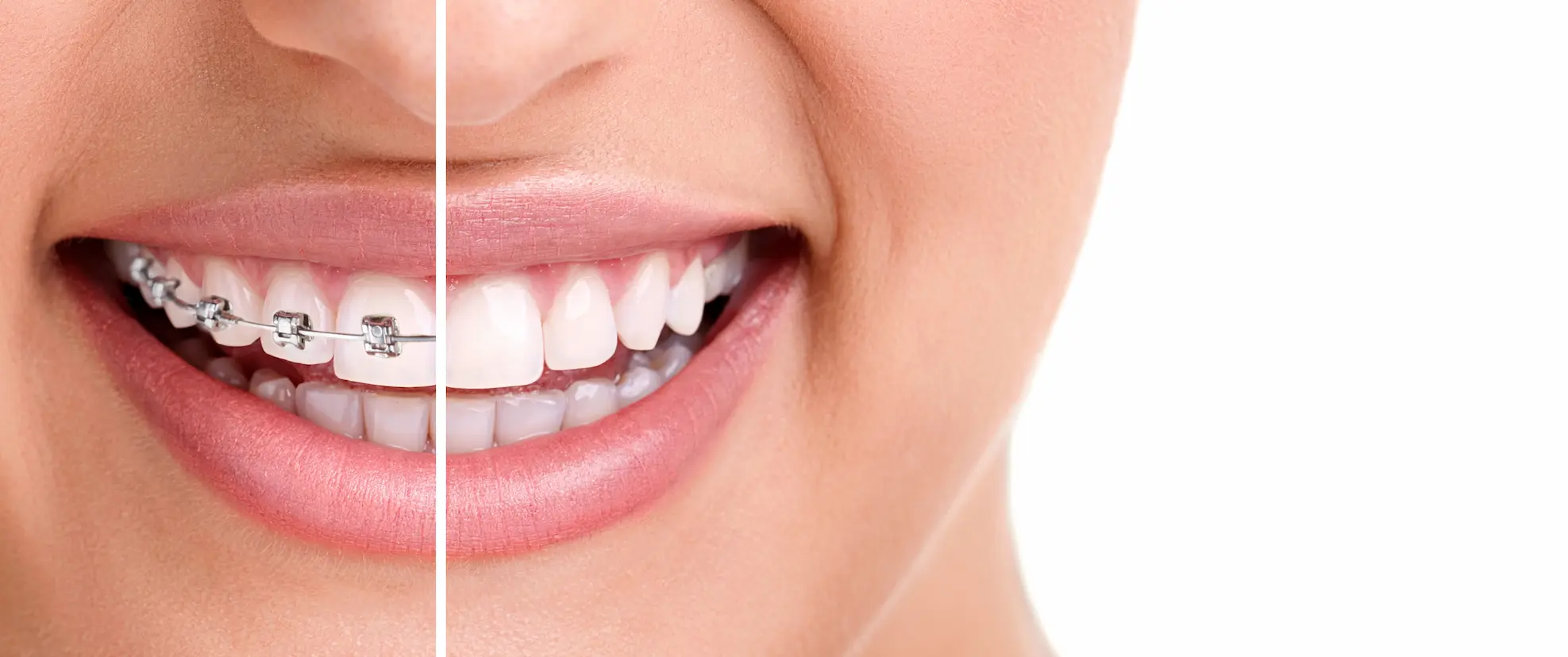

A patient sits down, points to a front tooth, and says some version of the same thing I hear often: “I just want it to look better, but I don’t want to do more than I have to.” That sentence captures the real choice between dental bonding and porcelain veneers better than any sales pitch ever could. Both can improve a smile. Both can close small gaps, reshape uneven edges, and mask discoloration. But they do https://garrettxhqb554.almoheet-travel.com/can-dental-bonding-be-done-in-a-single-visit it in very different ways, with different costs, different lifespans, and different implications for the natural tooth underneath.
If you are weighing Dental Bonding against porcelain veneers, the right answer usually comes down to three questions. How much change do you want? How long do you want it to last? And how much healthy enamel are you comfortable altering to get there?
Those questions matter because the two treatments are not interchangeable, even though they are often mentioned in the same breath. Bonding is conservative, affordable, and fast. Veneers are more durable, more stain resistant, and better for more dramatic cosmetic changes. One is often the right first step. The other is often the better long-term investment. The trick is knowing which situation you are actually in.
What dental bonding really is
Dental bonding uses a tooth-colored composite resin, the same broad family of material used for many modern fillings. The dentist selects a shade, lightly prepares the tooth surface, applies the resin in layers, shapes it by hand, and then hardens it with a curing light. After that, the restoration is polished so it blends with the surrounding enamel.
When it is done well, bonding can be surprisingly elegant. It is especially useful for small chips, minor edge wear, tiny spaces between teeth, and isolated spots of discoloration that do not respond well to whitening. It can also help when one tooth is just slightly undersized or oddly shaped and throws off the balance of the smile.
One reason bonding remains so popular is that it can often be completed in a single visit with little to no drilling and, in many cases, no numbing at all. For patients who are cautious about irreversible dentistry, that matters. There is psychological comfort in knowing that a small cosmetic improvement did not require removing much, or any, healthy enamel.
Still, bonding is not magic. Composite resin is strong, but it is not porcelain. It can chip, pick up stain over time, and lose some of its polish, especially on front teeth if someone bites pens, tears open packages, or clenches heavily at night. It is also highly technique-sensitive. Good bonding looks natural because the dentist understands contour, translucency, texture, and bite forces, not just because the material is tooth-colored.
What porcelain veneers are designed to do
Porcelain veneers are thin ceramic shells bonded to the front surfaces of teeth. They are fabricated outside the mouth, usually in a dental laboratory, after the teeth are prepared and impressions or digital scans are taken. Once the veneers are ready, they are bonded in place with adhesive cement.
Porcelain offers advantages that composite resin simply cannot fully match. It holds its gloss beautifully, resists staining far better than bonding, and can mimic the light-reflecting properties of enamel with remarkable precision. That is why veneers are often chosen for visible front teeth when a patient wants a more comprehensive cosmetic transformation.
They are especially helpful when multiple issues are happening at once. A patient may have discoloration, slight crowding, worn edges, old bonding that keeps failing, and inconsistent tooth shapes. Veneers can address all of those problems together in a more unified way than piecemeal bonding often can.
The trade-off is permanence. Veneers usually require some degree of enamel reduction, though the amount varies. In conservative cases it may be modest, but it is still a meaningful step. Once the tooth is prepared for a veneer, it usually stays on that restorative path. Veneers also cost more, require more than one appointment in most cases, and demand careful planning. Good veneer cases are not rushed.
The biggest difference is how much they ask of the tooth
This is where the conversation becomes less about cosmetics and more about judgment.
Dental Bonding is usually the more conservative option. If a tooth is healthy, well-positioned, and only needs a small cosmetic correction, bonding lets the dentist add material rather than remove much tooth structure. That preserves flexibility. If the patient later decides to whiten, reshape, or pursue another treatment, there are often more options left on the table.
Porcelain veneers, by contrast, generally involve some irreversible preparation. That does not make them a bad option. It simply means the threshold for choosing them should be higher. If the problem is small, veneers can be too much treatment. If the problem is complex or repeated repairs keep failing, veneers may be exactly the right level of treatment.
A useful way to think about it is this: bonding is often ideal when the tooth is mostly fine and needs help in one specific area. Veneers make more sense when the whole visible surface needs redesigning.
Appearance, up close and over time
Patients often ask which one looks more natural. The honest answer is that either one can look excellent, and either one can look artificial, depending on case selection and execution.
Fresh, well-finished bonding can be beautiful. On a single chipped front tooth, for example, a talented dentist can restore the edge so convincingly that even close friends do not notice. Bonding is also easier to adjust chairside. If the length is slightly off or the shape needs refinement, those changes can often be made right then.
Porcelain, though, tends to win in long-term esthetics. It maintains luster, surface texture, and color more predictably. Composite resin is more porous and more vulnerable to coffee, tea, red wine, tobacco, and general wear. Patients often notice that bonded areas look slightly duller after a few years, even if they are still structurally intact.
This difference becomes more obvious in patients who want broad smile enhancement across several front teeth. Matching one or two small bonded repairs can be straightforward. Creating a stable, symmetrical, high-polish smile across six or eight visible teeth is where porcelain really shows its strengths.
That said, “veneers look better” is too simplistic. Overly opaque, bulky, or unnaturally white veneers can look far worse than modest, skillfully placed bonding. Natural beauty in dentistry usually comes from restraint, proper proportions, and respect for facial features, not from choosing the most expensive material.
Durability is not just about the material
Porcelain is stronger and more stain resistant than composite, but longevity depends on habits, bite forces, and maintenance as much as material science.
Bonding typically lasts several years before needing touch-ups, polishing, repair, or replacement. In many practices, a realistic range for front-tooth bonding is roughly three to seven years, sometimes longer in favorable conditions and sometimes much less if the patient has a deep bite, nail-biting habit, or heavy clenching. Small repairs can be very durable. Large bonded buildups on the edges of front teeth are more vulnerable.
Veneers often last much longer, commonly a decade or more with proper care, but they are not indestructible. They can chip, debond, or fracture under excessive force. Night grinding is a serious issue for both options, though it is often more expensive to repair a damaged veneer than to patch bonding. A protective night guard can make a significant difference for the right patient.
What matters most is matching the treatment to the mouth. A person with stable bite, healthy enamel, and realistic expectations may do very well with bonding for years. A patient who repeatedly chips composite on the same front teeth may be a poor candidate for more bonding, even if bonding is cheaper in the short term.
Cost matters, but so does maintenance
The immediate price difference between the two options is usually substantial. Bonding costs less upfront because it is completed directly in the chair, without a dental laboratory fabricating a restoration. Veneers cost more because of planning, lab work, materials, and the number of steps involved.
Patients understandably focus on that first number. But lifetime cost can tell a different story.
Bonding may need periodic refinishing, repairs, or replacement. If someone has four or six bonded front teeth and each requires intermittent maintenance over the years, the running total can become significant. Veneers, although more expensive at the start, may deliver longer intervals of stability, especially in patients seeking broader cosmetic change.
That does not automatically make veneers more economical. A small chip on one tooth may be a perfect bonding case, and placing a veneer there would be unnecessary financially and biologically. On the other hand, if multiple front teeth already have old, mismatched bonding that keeps staining and breaking, replacing the cycle with veneers may save frustration, time, and repeated chair visits.
A good dentist will discuss not only the initial fee but also the likely maintenance pattern. That conversation is often more useful than a bare quote.
Where dental bonding shines
There are situations where bonding is not just adequate, but clearly preferable.
For younger patients, bonding is often the more responsible choice. If someone is in the late teens or early twenties with healthy teeth and a minor cosmetic concern, preserving enamel is usually wise. Smiles and bite relationships can change over time, and conservative treatment keeps future options open.
Bonding is also excellent for trial changes. A patient unsure about closing a gap or lengthening worn edges may appreciate a reversible, additive preview. Sometimes a simple bonded mock-up reveals whether the proposed cosmetic change feels natural or overdone. That information can guide future decisions far better than looking at edited photos on a screen.
Another place bonding performs well is targeted repair. A single chipped incisor after a sports accident does not automatically justify a veneer. If the tooth is otherwise healthy and the fracture is modest, careful composite bonding can restore it beautifully without turning one event into lifelong restorative escalation.
Where veneers earn their reputation
Veneers become more compelling when the cosmetic goals are larger, or when the underlying issues are harder to camouflage with composite.
Teeth with deep intrinsic discoloration can be a good example. Some stains respond poorly to whitening and may show through composite in a way that limits the final result. Porcelain gives the dentist and ceramist more control over value, translucency, and masking ability.
Another common scenario is smile asymmetry across several teeth. If the front teeth differ in shape, length, wear pattern, and previous restorations, veneers can create a cleaner, more harmonized outcome. In those cases, using bonding alone may lead to a series of compromises. Each tooth can be improved, but the total picture may still lack consistency.
Patients who care deeply about stain resistance also tend to prefer porcelain. Someone who drinks coffee daily and wants a stable, bright finish often finds veneers easier to live with than composite, provided the case truly justifies them.
A practical side-by-side comparison
| Feature | Dental Bonding | Porcelain Veneers | |---|---|---| | Tooth reduction | Usually minimal or none | Usually requires some enamel removal | | Number of visits | Often one visit | Usually two or more visits | | Upfront cost | Lower | Higher | | Stain resistance | Moderate | High | | Longevity | Shorter, often with more maintenance | Longer, generally more stable |
That table is useful, but it leaves out one important point: repairs behave differently. Bonding is easier to patch. Veneers are less likely to need patching, but when they do fail, the repair can be more involved.
The role of bite, habits, and enamel quality
Cosmetic dentistry is never just about color and shape. Bite can quietly determine whether a treatment thrives or struggles.
A patient with edge-to-edge bite on the front teeth places more stress on bonded incisal edges than someone with a gentler overlap. A heavy grinder may chip either bonding or porcelain without realizing how much force is being generated during sleep. Acid erosion from reflux, frequent citrus intake, or energy drinks can also change how materials wear and how teeth bond over time.
Enamel quality matters too. Bonding adheres best to healthy enamel. If the tooth has extensive old fillings, erosion, or limited bonding surface, the prognosis may change. Veneers also depend on good planning around enamel. They tend to perform best when a substantial portion of the bond is to enamel rather than dentin.
These are not glamorous details, but they are often the difference between a result that lasts and one that becomes a cycle of repeated fixes.
Patients often regret choosing on price alone
A pattern shows up in real practice. Some patients choose bonding because it is less expensive, even though they want a dramatic, highly polished, long-lasting smile change. They may be happy at first, then frustrated when staining, minor chipping, or repeated maintenance appears sooner than expected. Their disappointment is not because bonding failed. It is because bonding was asked to behave like porcelain.
The reverse happens too. A patient gets veneers for a problem that a tiny bit of bonding could have handled, then later realizes more natural tooth structure was altered than necessary. That regret tends to be quieter, but it matters.
The best cosmetic decisions usually come from aligning the treatment with the scale of the problem. Small problem, small intervention. Bigger problem, more comprehensive solution.
Questions worth asking before you decide
If you are choosing between the two, ask your dentist questions that go beyond “Which looks better?”
- How much healthy enamel would need to be removed?
- How often do cases like mine need repair or replacement?
- Would whitening, orthodontics, or reshaping change the plan?
- Is my bite likely to chip bonding or stress veneers?
- Can I see a mock-up or examples of similar cases?
Those questions tend to reveal whether the recommendation is thoughtful and individualized, or simply the treatment a practice happens to provide most often.
Sometimes the best answer is neither one, at least not yet
Not every cosmetic concern should be solved with bonding or veneers right away. Minor crowding may respond better to short-term orthodontic treatment. General discoloration may improve enough with whitening that restorative work can be reduced or avoided. Uneven edges from grinding may need a night guard before any cosmetic repair is placed.
There are also cases where a staged approach works best. A patient might begin with whitening and selective bonding, then reassess in a year. Another may use bonding as a conservative bridge until a later time when veneers make more sense. Dentistry does not always need to move in one big leap.
That kind of pacing can be especially smart when someone is uncertain about how much change they really want. Cosmetic dentistry is at its best when it solves the problem without creating a larger one.
Who tends to be happiest with each option
Patients happiest with Dental Bonding usually share a few traits. They want modest improvement, value tooth preservation, accept that maintenance is part of the deal, and understand that composite ages differently than porcelain. They often appreciate natural-looking refinement rather than a dramatic smile makeover.
Patients happiest with veneers usually want a more comprehensive upgrade, prioritize longevity and stain resistance, and are comfortable making a more permanent investment in the teeth. They are often replacing years of dissatisfaction, repeated repairs, or multiple cosmetic concerns that no longer respond well to conservative patchwork.
Neither mindset is better. They simply lead to different decisions.
The smarter choice is the one that fits your mouth, not the trend
There is a temptation to think of veneers as the premium option and bonding as the budget alternative. Real dentistry is more nuanced than that. A beautifully judged bonded repair on the right tooth can be the higher-quality decision than a veneer. A carefully planned veneer case can be more responsible than endlessly replacing failing composite on worn front teeth.
When patients ask which is better, the answer usually starts with another question: better for what?
If you need a subtle fix, want to preserve enamel, and are comfortable with periodic maintenance, Dental Bonding is often the more sensible and conservative treatment. If you want greater durability, stronger stain resistance, and a broader cosmetic redesign, porcelain veneers may be the more stable long-term solution.
The best results come from resisting one-size-fits-all thinking. Cosmetic dentistry works best when the treatment respects the tooth, the bite, the patient’s habits, and the patient’s threshold for cost and permanence. That is what turns a prettier smile into a decision that still feels right years later.
Toothworks of Bakersfield, Dentist and Orthodontist
Address: 1030 H St #1, Bakersfield, CA 93304
Phone number: +16613239421
FAQ About Dental Bonding
How long does dental bonding last?
Dental bonding typically lasts between 3 and 10 years (averaging about 5 to 8 years) before it needs a touch-up or replacement. Its lifespan depends heavily on your daily habits, where the bonding is placed in your mouth, and how well you care for your teeth.
How expensive is bonding a tooth?
Dental bonding typically costs between $100 and $600 per tooth, with a national average of about $431 per tooth.
What are the downsides of dental bonding?
Dental bonding has several drawbacks, including lower durability, a shorter lifespan, and a tendency to stain compared to alternatives like porcelain veneers.