How Periodontal Treatment Supports Overall Wellness
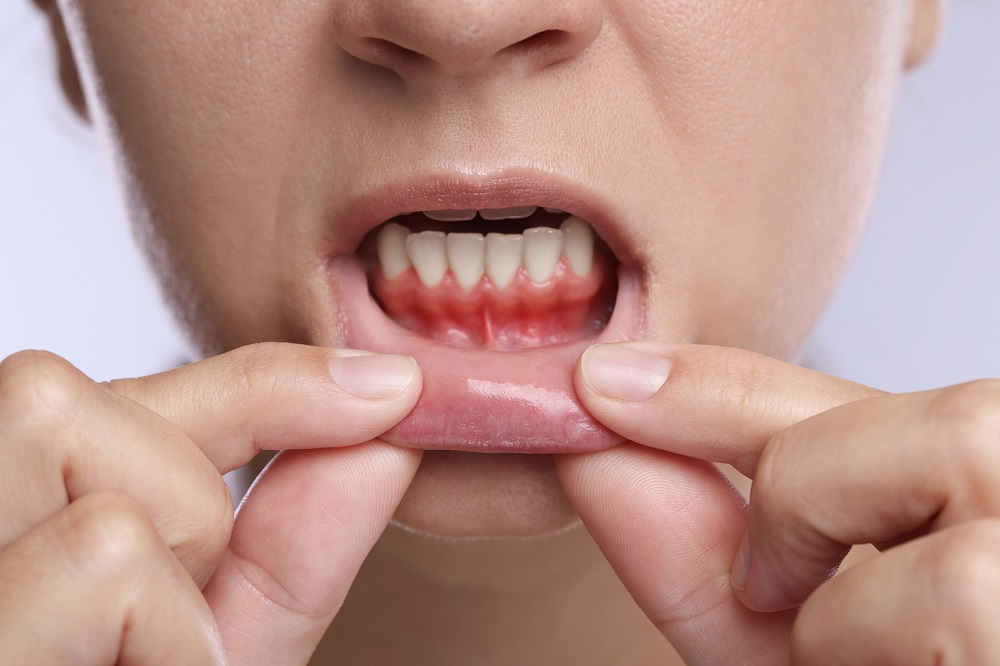
Most people think about gum treatment when something in the mouth starts to feel off. Bleeding when brushing. Persistent bad breath. A tooth that suddenly feels a little longer because the gumline has receded. Tenderness that comes and goes, then stays. What often gets missed is that periodontal treatment is not just about saving gums or avoiding tooth loss. It can play a meaningful role in a person’s broader health, comfort, confidence, https://devinfthu410.summitviewdaily.com/posts/how-periodontal-treatment-protects-against-future-tooth-loss and daily function.
That point becomes clear in practice. Patients rarely walk in saying they want better inflammatory control or improved oral-systemic balance. They usually say something simpler. Their gums bleed every morning. Their mouth tastes unpleasant. Their teeth feel loose when they bite into a sandwich. They have spent years managing diabetes and are frustrated that healing seems slower than it used to be. Or they are preparing for a knee replacement, heart procedure, or pregnancy and have finally been told that the condition of their gums matters beyond the mouth.
Periodontal treatment meets patients at that intersection, where oral symptoms and overall wellness begin to overlap. It addresses infection and inflammation in the tissues that support the teeth, but the effect often reaches further. Eating becomes easier. Breath improves. Chronic soreness settles down. Daily hygiene becomes less unpleasant, which means people actually keep up with it. For some, blood sugar control becomes easier to manage alongside medical care. For others, the biggest change is subtle but important: they stop living with a constant, low-grade source of irritation and inflammation.
The mouth is not separate from the rest of the body
The old habit of treating the mouth like a separate compartment never really made biological sense. The gums are vascular, living tissue. When periodontal disease develops, the body responds with inflammation. Bacteria and bacterial byproducts are present in pockets around the teeth, and the immune system stays active in response. That is not a local event in the way a chipped thumbnail is local. It is a chronic inflammatory burden in tissue with a rich blood supply.
That does not mean every case of gum disease causes major systemic illness, and it would be careless to claim that periodontal treatment is a cure for unrelated medical problems. The relationship is more measured than that. What the evidence consistently supports is association and interaction. Poor periodontal health can complicate the management of some chronic conditions, and certain chronic conditions can make periodontal disease harder to control. Diabetes is the classic example. Uncontrolled blood sugar can worsen gum inflammation and impair healing, while active periodontal infection may make glycemic control more difficult. That is a two-way street clinicians see often.
Inflammation matters here. When gums are chronically inflamed, people may not feel acutely sick, but the body is still dealing with persistent immune activation. Reducing that inflammatory load is part of why Periodontal Treatment has relevance beyond preventing tooth loss. Less bleeding, fewer deep pockets, and lower bacterial burden in the gums can contribute to a healthier baseline.
What periodontal disease actually does
Healthy gums fit around teeth with a firm, protective seal. In periodontal disease, plaque bacteria trigger inflammation. If the process continues, the attachment between tooth and gum weakens, pockets deepen, and bone can begin to break down. Many patients are surprised to learn that advanced periodontal disease is often not dramatic at first. It can progress quietly. A person may have very little pain while losing support around the teeth.
That silence is one reason routine dental examinations matter. By the time teeth feel mobile or chewing becomes uncomfortable, the disease may already be well established. On the other hand, early intervention can be remarkably effective. In mild to moderate cases, skilled nonsurgical care combined with consistent home hygiene may stabilize the condition and prevent much more invasive treatment later.
Wellness enters the picture because periodontal disease affects fundamentals. It changes how a person eats, speaks, sleeps, socializes, and cares for themselves. Someone with inflamed gums may avoid brushing the back teeth because it hurts, which allows more plaque to accumulate, which worsens inflammation. Someone embarrassed by halitosis may speak less freely at work or in close relationships. Someone who cannot chew well may favor softer, more processed foods and drift away from fibrous fruits, vegetables, or protein-rich meals that support general health.
What periodontal treatment involves, and why each part matters
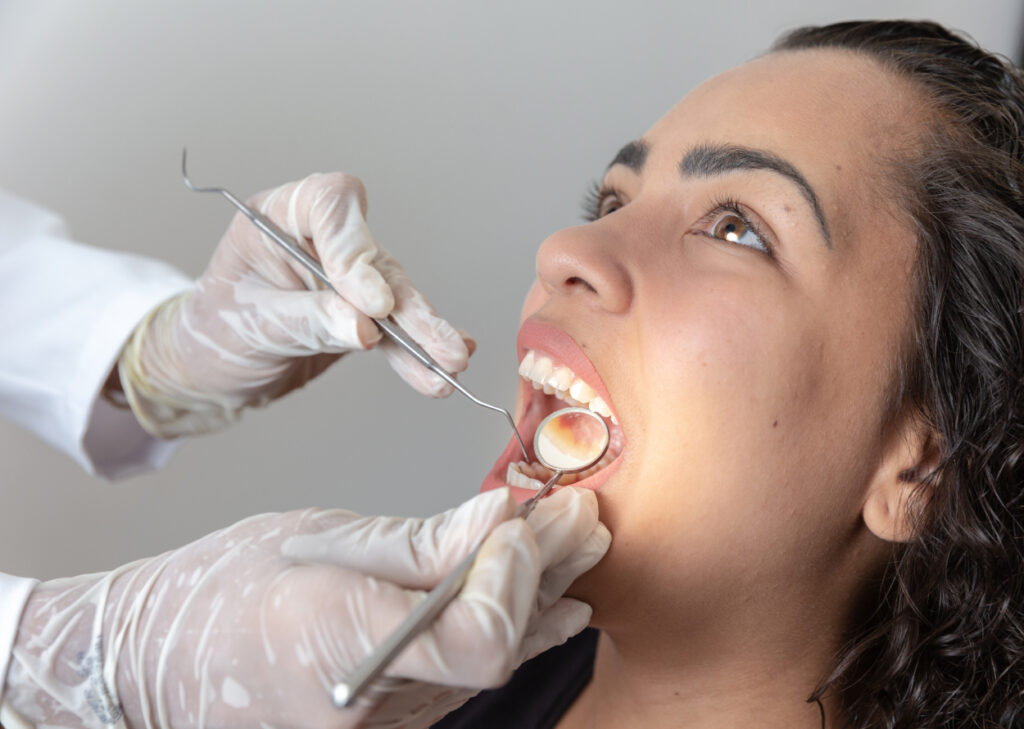
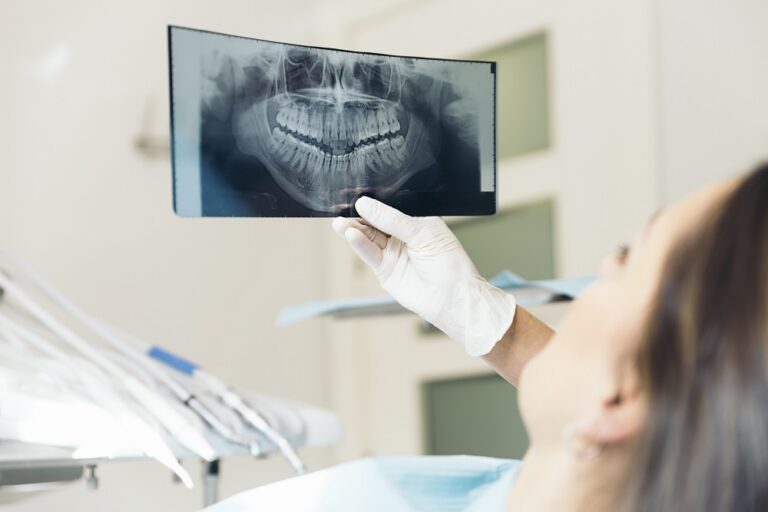
Periodontal treatment is not a single procedure. It is a continuum of care based on severity, anatomy, risk factors, and patient habits. For many people, it begins with detailed periodontal charting, radiographs, and a careful examination of pocket depths, bleeding, recession, and mobility. That initial assessment is more than paperwork. It establishes whether the disease is limited to gingivitis, where inflammation has not yet damaged bone, or whether periodontitis is present, which means deeper supporting structures are involved.
A typical treatment plan may include the following:
- Deep professional cleaning, often scaling and root planing, to remove plaque and calculus from above and below the gumline.
- Targeted home-care instruction tailored to the patient’s dexterity, restorations, and pocket pattern.
- Re-evaluation after healing to measure how the gums respond.
- Adjunctive therapies in selected cases, such as localized antimicrobials or periodontal surgery.
- Ongoing maintenance at intervals shorter than standard cleanings, often every three to four months.
Each step supports wellness in a practical way. Removing irritants below the gums reduces inflammation and gives tissue a chance to tighten and heal. Better home care reduces day-to-day bacterial accumulation. Re-evaluation prevents wishful thinking from replacing clinical judgment. Maintenance keeps a chronic condition from quietly relapsing.
Patients sometimes resist the maintenance phase because once the mouth feels better, the urgency fades. That is understandable, but it is also where many avoidable setbacks happen. Periodontitis is usually managed, not magically erased. In real life, the patients who do best over five or ten years are not the ones who had the fanciest procedure. They are the ones who followed through consistently once active treatment was done.
The effect on comfort, eating, and nutrition
One of the fastest ways periodontal treatment supports overall wellness is by making the mouth usable again. That sounds basic, but it matters. Eating should not require strategy. When gums are inflamed, people chew on one side, avoid crunchy foods, or skip meals because cold water, pressure, or contact around certain teeth is uncomfortable.
After treatment, many patients notice that they can eat normally without a constant awareness of their gums. That can improve nutrition in a very ordinary, meaningful way. Raw vegetables, apples, lean meats, nuts, and other textured foods become easier to manage. If a person has been relying on soft convenience foods because chewing feels unpleasant, improving periodontal health can open the door to a more balanced diet.
This is especially important for older adults. Tooth mobility, gum tenderness, and ill-fitting dental work in a periodontally compromised mouth can steadily narrow the range of foods a person feels capable of eating. Over time, that can contribute to poorer intake and reduced quality of life. Preserving periodontal stability helps preserve function, and function supports independence.
The diabetes connection is one of the clearest examples
Among all oral-systemic links, the relationship between periodontitis and diabetes is one of the most clinically useful. Patients with diabetes often heal differently, experience more inflammation, and can be more vulnerable to periodontal breakdown when glucose is poorly controlled. At the same time, untreated periodontal infection may make diabetes management harder.
That does not mean gum treatment replaces medical care, dietary planning, exercise, or medication. It means it belongs in the same conversation. When a patient with diabetes receives effective periodontal treatment and sticks with maintenance, the benefit is not limited to cleaner teeth. Reducing infection and inflammation can support a more stable environment for overall disease management.
The outcomes vary. Some people notice meaningful improvement in gum health and smoother healing but no obvious change in blood sugar trends. Others report that after periodontal care, their numbers become less erratic alongside better medical adherence. Good clinicians are careful not to overpromise. Still, ignoring active periodontitis in a patient working hard to manage diabetes makes little sense. It leaves a modifiable inflammatory problem untreated.
Pregnancy, heart health, and other medical contexts
Pregnancy changes the hormonal environment of the gums. Even patients with decent home care can notice increased tenderness or bleeding. If preexisting periodontal disease is present, those changes may be more pronounced. Periodontal care during pregnancy is often less about dramatic intervention and more about close monitoring, conservative treatment when needed, and keeping inflammation under control. Comfort matters, but so does reducing the burden of oral infection during a physiologically demanding time.
Heart health is another area where nuance matters. There is no responsible basis for claiming that periodontal treatment prevents all cardiovascular events. There is, however, a sound rationale for reducing chronic oral inflammation and bacterial burden as part of overall health maintenance. Patients with certain cardiac histories may also need particularly thoughtful coordination of care, especially if anticoagulants, recent procedures, or other medical complexities are involved.
Then there are the practical moments medicine tends to notice the mouth. Before some surgeries, transplants, joint replacements, or cancer therapies, dental clearance becomes important. An untreated periodontal infection can become more than a dental nuisance when the body is about to face major physiological stress or temporary immunosuppression. Treating the gums ahead of time can reduce the chance that a preventable oral infection complicates a much bigger medical situation.
Breath, self-confidence, and social ease are part of wellness too
Wellness is not only blood markers and radiographs. It includes the small social freedoms that people stop noticing once they return. Chronic gum disease can cause persistent halitosis that brushing alone does not fix. The smell often comes from bacterial activity below the gumline, where ordinary cosmetic products cannot reach.
When periodontal treatment reduces pocketing and inflammation, breath often improves in a way mouthwash never managed. That change can affect how a person shows up in everyday life. They speak at closer range without hesitation. They stop constantly chewing gum before meetings. They do not angle their head away during conversation.
The same is true for appearance. Swollen, shiny, bleeding gums can make people feel that their smile looks unhealthy even if the teeth themselves are fairly straight or white. As inflammation resolves, the mouth looks cleaner and more balanced. Confidence is not trivial. It influences social behavior, professional comfort, and willingness to engage with routine care.
Periodontal treatment is not one-size-fits-all
This is where experience matters. Two patients can have similar pocket depths and very different treatment needs. A younger nonsmoker with localized disease and excellent dexterity may respond beautifully to nonsurgical care and meticulous home maintenance. A patient with heavy calculus deposits, smoking history, dry mouth from medications, crowded lower incisors, and poorly controlled diabetes may need a more layered strategy and closer follow-up.
Smoking is a major example. Smokers do not always show the dramatic bleeding patients expect, because nicotine can alter blood flow and inflammatory presentation. That can mask the severity of disease. Healing may also be less predictable. In those cases, the conversation around periodontal treatment must include tobacco use honestly. A technically excellent deep cleaning can still have limited long-term success if the biologic environment remains hostile.
Restorations and anatomy matter too. A patient with bridgework, implants, tight contacts, root concavities, or limited hand mobility may need very specific cleaning tools and techniques. Generic advice to floss more is not enough. Sometimes the breakthrough is not the procedure itself but finally finding a home-care routine the patient can sustain in five minutes twice a day without frustration.
What recovery and maintenance really look like
A common misconception is that periodontal treatment is a one-time reset. The better analogy is orthopedic rehab after an injury. The initial intervention creates an opportunity, but long-term stability depends on maintenance, behavior, and regular reassessment.
After scaling and root planing, it is normal for gums to feel tender for a few days. Some patients notice temporary cold sensitivity, especially where inflammation had been hiding recession. That can be unsettling if they were expecting an instant, painless improvement. The useful framing is that healthier tissue often reveals the true contour of the tooth and root. Short-term sensitivity can be managed, and it is often preferable to living with chronic infection.
At re-evaluation, some sites may improve dramatically while others remain deep or bleed on probing. That is where judgment comes in. Not every persistent pocket requires surgery, but not every nonresponsive site should be watched indefinitely either. The best treatment plans balance biology, function, patient goals, and long-term prognosis.
Maintenance appointments deserve more respect than they often get. They are not “just cleanings.” In a periodontal maintenance visit, the goal is to disrupt bacteria in areas that are prone to recolonization, monitor for recurrent inflammation, and catch changes early. That difference matters. Patients with a history of periodontitis usually need more frequent professional care than someone who has never had attachment loss.
What patients can do between visits
The most effective periodontal treatment plans are collaborative. Clinical care sets the stage, but daily habits decide much of the long-term outcome. Patients do not need perfection. They need consistency and tools that match reality.
The most useful home practices usually include:
- Brushing thoroughly along the gumline with a soft brush or electric brush.
- Cleaning between teeth every day with floss, interdental brushes, or other dentist-recommended aids.
- Following any site-specific instructions for sensitive or previously deep areas.
- Keeping medical conditions such as diabetes as well managed as possible.
- Returning for periodontal maintenance on schedule, even when the mouth feels fine.
Those basics sound simple, yet they are where long-term success lives. A patient who misses every maintenance visit and brushes quickly once a day will usually not hold results, no matter how skillful the original treatment was. On the other hand, a patient with average anatomy and disciplined home care often maintains stability for years.
Why early treatment is usually kinder, cheaper, and more effective
By the time advanced periodontitis causes obvious mobility or major bone loss, treatment becomes more complex and prognosis less certain. Early periodontal treatment can often prevent extractions, reduce the need for surgery, and preserve options for future restorative work. That matters financially, but also psychologically. Saving the natural dentition whenever reasonably possible tends to support better function and a stronger sense of normalcy.
There is also a quality-of-life argument for early care that rarely gets enough attention. Chronic bleeding, soreness, unpleasant breath, and food trapping wear people down. They adapt to symptoms they should not have to normalize. Once those symptoms improve, many patients realize how much mental bandwidth their mouth had been consuming.
That relief is part of wellness. So is avoiding the cascade that follows tooth loss: shifting bite forces, drifting teeth, more difficult chewing, restorative expense, and in some cases avoidable embarrassment or withdrawal.
The larger value of treating the gums well
A healthy mouth supports ordinary life in ways that become visible only when they start to fail. People need to chew comfortably, speak confidently, manage chronic medical conditions without unnecessary obstacles, and move through the day without a persistent source of inflammation. Periodontal treatment supports all of those goals.
Its role is not glamorous. It is practical, tissue-level, often incremental work. But that is precisely why it matters. When gum disease is treated carefully and maintained consistently, the benefits touch more than the smile. They reach into nutrition, comfort, confidence, and the management of broader health conditions. For many patients, that is the real outcome that matters most.
Avra Dental
Address: 1708 S Victoria Ave B, Ventura, CA 93003
Phone number: (805) 941-1001
FAQ About Periodontal Treatment
Can a dentist get rid of periodontal disease?
A dentist or gum specialist (periodontist) cannot fully cure or reverse advanced periodontal disease (periodontitis), but they can successfully stop its progression and manage the infection.
Is periodontitis very serious?
Yes, periodontitis is a very serious, advanced form of gum disease that destroys the bone and tissues supporting your teeth.
How is stage 2 periodontal disease treated?
Stage 2 periodontal disease (early to moderate periodontitis) is primarily treated with non-surgical deep cleaning procedures like scaling and root planing to remove bacteria and tartar below the gumline.