How Pregnancy Can Affect Gum Disease Treatment Needs
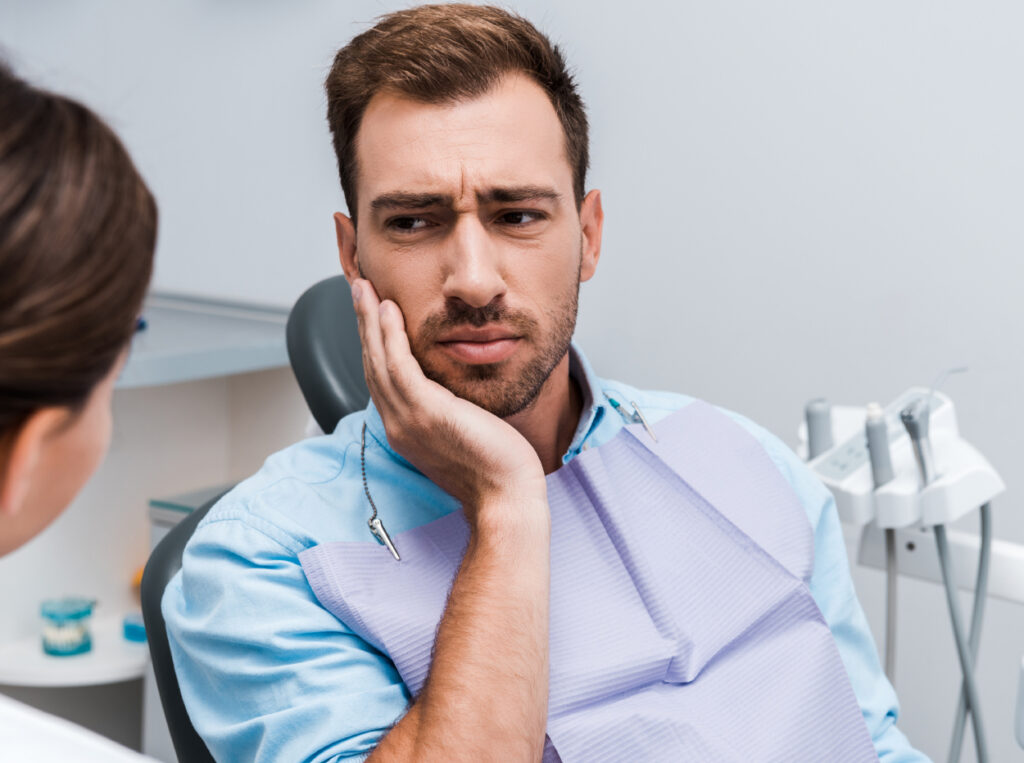
Pregnancy changes the mouth in ways many people do not expect. A patient may brush the same way, floss with the same routine, eat reasonably well, and still notice bleeding gums by the end of the first trimester. That shift is not imagined, and it is not rare. Hormonal changes during pregnancy can make gum tissue more reactive to plaque, more prone to swelling, and more likely to bleed with even light brushing. For someone who already has gingivitis or early periodontitis, those changes can alter not only symptoms, but also the kind of Gum Disease Treatment that makes sense and the timing of that care.
In practice, this catches people off guard. Many pregnant patients come in worried that bleeding gums mean they have suddenly developed a serious infection. Others avoid the dentist entirely because they have been told, often by a well-meaning friend or relative, that dental treatment should wait until after delivery. Neither extreme helps. The real answer is more nuanced. Pregnancy does not automatically make gum disease severe, but it can make mild inflammation look worse, can speed up problems in patients who are already vulnerable, and can change how a clinician plans treatment.
Why gums often act differently during pregnancy
The core issue is not that pregnancy creates plaque. Plaque is still the local trigger. What changes is the body’s response to it. Rising levels of estrogen and progesterone affect blood vessels and inflammatory signaling in the gum tissue. The gums often become more vascular, more edematous, and more likely to bleed. A small amount of plaque that once caused little irritation may now produce redness and tenderness within days.
That is why a patient who had occasional flossing lapses before pregnancy might suddenly see pink in the sink every morning. The bleeding can be dramatic enough to make people stop brushing the area, which unfortunately allows more plaque to build up and drives the cycle forward.
There is also the practical side of pregnancy. Morning sickness may make brushing difficult, especially in the back of the mouth. Some people develop a stronger gag reflex. Others snack more frequently to settle nausea, which can mean more frequent acid exposure and more food debris around the gumline. Fatigue matters too. It is easy to promise yourself you will floss before bed and then fall asleep the minute your head touches the pillow. Those small routine disruptions add up.
The difference between pregnancy gingivitis and true periodontal disease
One of the most important distinctions is between pregnancy gingivitis and periodontitis. Gingivitis affects the gums only. It causes redness, swelling, tenderness, and bleeding, but the bone and connective tissues supporting the teeth are not yet being destroyed. Periodontitis goes deeper. It involves attachment loss, bone loss, and the formation of periodontal pockets that can harbor more bacteria and inflammation.
Pregnancy gingivitis is common. Depending on the population studied and how it is measured, it affects a large share of pregnant patients. That does not mean everyone who bleeds has advanced disease. In many cases, the gums are reacting intensely to plaque while the underlying support of the teeth remains stable. That distinction matters because the treatment needs are different.
A patient with pregnancy gingivitis may need more frequent hygiene visits, better plaque control at home, and close monitoring. A patient with periodontitis may need active Gum Disease Treatment such as scaling and root planing, targeted maintenance intervals, and coordination with an obstetric provider if there are broader health concerns. The symptoms can overlap, so clinical examination matters. You cannot judge the severity by bleeding alone.
What a dentist or periodontist looks for
When a pregnant patient presents with swollen or bleeding gums, the exam is typically focused but careful. The clinician wants to know when the symptoms started, whether there was any gum disease history before pregnancy, how home care has changed, whether there is vomiting or reflux, and whether the patient has diabetes, hypertension, or other medical issues that affect healing.
The mouth itself often tells the story. Pregnancy gingivitis usually appears as generalized puffiness and easy bleeding along the gum margins. Existing periodontal disease may show localized deeper pocketing, recession, mobility, suppuration, or a pattern of bone loss already documented in older records or radiographs. Sometimes there is also a pyogenic granuloma, often called a pregnancy tumor, which sounds alarming but is typically a benign, exaggerated tissue response to irritation. These growths can bleed easily and look dramatic, though many shrink after delivery if plaque control improves.
The treatment plan depends on which pattern is present. That is where individualized judgment matters more than any blanket advice found online.
How pregnancy can change Gum Disease Treatment timing
Timing is one of the biggest ways pregnancy affects care. Dental treatment is not banned during pregnancy, but the urgency and comfort level vary by trimester.
The first trimester is often the most difficult for nausea and fatigue. It is also the period when patients tend to feel most cautious about any healthcare intervention, even routine care. If treatment is preventive or elective, many clinicians prefer to keep visits simple during this phase, focusing on examination, hygiene support, and symptom relief. If there is active infection, significant inflammation, or pain, treatment should not be postponed just because the patient is pregnant. Untreated infection is not the safer choice.
The second trimester is usually the most practical window for non-emergency dental care. Patients often feel better physically, can tolerate longer appointments, and are not yet dealing with the full physical discomfort of late pregnancy. This is the time when scaling and root planing, periodontal maintenance, and localized treatment can often be completed most comfortably.
The third trimester introduces a different set of considerations. Patients may struggle to lie flat for long periods because the uterus can compress major blood vessels, leading to dizziness or nausea when reclining. Shorter visits, left-side positioning adjustments, and frequent breaks become more important. Necessary care can still be done. It just has to be planned thoughtfully.
What treatment often looks like in real life
For many pregnant patients, the most appropriate Gum Disease Treatment is not more aggressive care, but more strategic care. A routine six-month cleaning schedule may not be enough when hormones are amplifying inflammation. Someone with previously stable gums may benefit from an extra cleaning during pregnancy, often in the second trimester, plus stronger coaching on technique at home.
For patients with diagnosed periodontitis, treatment may include deep cleaning below the gums, also called scaling and root planing. This is generally considered acceptable during pregnancy when clinically indicated. The goal is to reduce bacterial load and inflammation, not to pursue cosmetic perfection. If the periodontal condition is severe, the care plan may prioritize stabilization during pregnancy and reserve more extensive surgical treatment until after delivery, when the patient can tolerate longer visits and when medication options are broader.
There is a practical judgment call here. Not every deep pocket requires surgical intervention during pregnancy, and not every red gumline can wait. The best treatment plan balances disease control, patient comfort, gestational stage, and safety. Experienced clinicians make these decisions every day, often by narrowing the focus to what will most reduce risk right now.
Safety concerns patients ask about most
The anxiety around dental care in pregnancy is understandable. People worry about X-rays, anesthetic, medications, and stress. Those concerns deserve clear answers rather than vague reassurance.
Dental X-rays, when necessary and properly shielded according to current office protocols, are generally considered safe during pregnancy. The key phrase is when necessary. If a radiograph will change diagnosis or treatment, especially in the setting of suspected bone loss, abscess, or acute pain, delaying it may create more risk than taking it. A routine image that can wait, usually does.
Local anesthetics are commonly used in pregnant patients. Adequate pain control matters. A stressed, uncomfortable patient who cannot tolerate effective cleaning is not being protected by avoiding numbing. Medication choices should always be guided by the dentist in coordination with the patient’s obstetric provider when needed, especially if there are high-risk pregnancy issues, blood pressure concerns, or complex medical histories.
Antibiotics are more selective. Some are commonly used during pregnancy when indicated, while others are avoided. This is one reason self-diagnosis is a bad idea. A patient who assumes gum swelling is “just pregnancy” may miss a true abscess that needs treatment. Another who demands antibiotics for bleeding gums may receive no benefit at all if the real issue is plaque-induced inflammation rather than a spreading infection.
Home care matters more during pregnancy, not less
One of the most consistent clinical patterns is this: patients who back off brushing because the gums bleed tend to worsen quickly. Bleeding is often a sign that plaque is present, not a signal to stop cleaning. The trick is to make home care tolerable enough to continue.
A softer brush, a smaller brush head, and a bland toothpaste can make a major difference for someone dealing with nausea. Brushing at a different time of day can help too. Some patients do better after a small snack rather than first thing in the morning. If vomiting is frequent, it helps to rinse with water or a baking soda solution first and wait a bit before brushing, since brushing immediately after acid exposure can be harsh on enamel and irritated tissue.
Interdental cleaning still matters, even when gums are sore. In fact, many patients find that once they gently clean between the teeth for several days in a row, the bleeding drops sharply. That early improvement is often the turning point, because it reassures them the problem is controllable.
Here are a few adjustments that tend to work well in pregnancy:
- Use a soft or extra-soft toothbrush and angle it gently at the gumline.
- Switch to shorter brushing sessions if nausea is intense, then build back up.
- Clean between the teeth daily with floss or another tool that is comfortable to use.
- Rinse after vomiting and delay brushing for about 30 minutes when possible.
- Report persistent swelling, bad taste, pus, or localized pain promptly.
These are small interventions, but in the dental chair you can often tell who managed to keep them up. Their gums look calmer, tissue responds better to cleaning, and treatment tends to stay conservative.
When symptoms suggest more than routine pregnancy-related gum changes
Not every gum problem in pregnancy is simple gingivitis. Certain findings should raise concern for periodontitis or infection. A patient who notices one area that is especially swollen, a tooth that feels taller or loose, pain on biting, a bad taste that returns after brushing, or facial swelling needs evaluation. Those signs are less likely to be explained by hormones alone.
I have seen cases where a patient assumed all oral changes were part of pregnancy, only to discover a periodontal abscess that had been quietly developing around a deep pocket. The clue was not generalized bleeding, but one tender site with pressure and a dull throb. Once drained and cleaned, the patient’s relief was immediate. The broader lesson is simple: pregnancy can exaggerate normal inflammation, but it can also camouflage serious disease by making every gum symptom feel vaguely expected.
The link to overall pregnancy health, and what we can say responsibly
Patients often ask whether gum disease can harm the baby. This is an area where care is needed. There has been longstanding interest in the relationship between periodontal disease and adverse pregnancy outcomes such as preterm birth or low birth weight. Some studies have suggested an association, especially with more severe disease, but associations do not automatically prove direct causation, and treatment studies have not shown perfectly consistent results.
What can be said confidently is this: active infection and chronic inflammation are not desirable during pregnancy, and maintaining oral health is part of sensible prenatal care. Treating gum disease improves the mother’s oral health, comfort, and function. It may also reduce inflammatory burden, though the exact effect on pregnancy outcomes is still being studied and should not be overstated.
That distinction matters because pregnant patients deserve honesty. Gum Disease Treatment is worthwhile because it protects oral tissues, reduces pain and bleeding, and helps stabilize a condition that can otherwise worsen. It does not need dramatic claims to justify it.
How clinicians modify appointments for pregnant patients
The actual mechanics of care often change. A good dental team pays attention to comfort long before a patient asks. Appointments may be scheduled at times of day when nausea is less severe. The chair may be adjusted more upright. Suction may be used more actively to reduce the sensation of pooling water. Breaks are offered before the patient reaches the point of distress.
Patients late in pregnancy often tolerate shorter, more focused visits better than one long session. A clinician may split treatment into quadrants, not because the disease demands it, but because the body does. If blood pressure is elevated, if the patient is carrying multiples, or if the pregnancy is medically complex, communication with the obstetric team can help guide timing and precautions.
This practical flexibility is one reason periodontal care in pregnancy should never be reduced to yes or no. The important question is not “Can a pregnant person receive treatment?” but “What treatment is needed now, and how can it be delivered safely and comfortably?”
After delivery, treatment needs can shift again
Many pregnancy-related gum changes improve after birth, especially if they were mostly hormonal gingivitis layered on top of manageable plaque buildup. Swelling often decreases within weeks, and tissues can look much less inflamed even before any major intervention. That said, true periodontitis does not disappear because the baby has arrived. Bone loss does not reverse on its own, and deep periodontal pockets still require ongoing management.
The postpartum period can be deceptive. Symptoms may settle enough that the patient assumes the problem is gone, but attachment loss can remain. This is why a follow-up periodontal evaluation after delivery is valuable, particularly if there were signs of deeper disease during pregnancy. At that point, the clinician can recheck pocket depths, assess the stability of the gums in a less hormonally reactive state, and decide whether maintenance alone is enough or whether more definitive therapy is warranted.
There is also the reality of new parenthood. Sleep deprivation can wreck routines. Feeding schedules can push dental care to the bottom of the list. If there was unfinished Gum Disease Treatment during pregnancy, it helps to plan the first postpartum visit before life becomes too chaotic to think about it.
Questions worth asking at the dental visit
Pregnant patients often feel rushed in medical settings, and oral symptoms can seem minor compared with everything else going on. Still, a short, direct conversation can prevent months of discomfort. The most useful questions tend to be the practical ones.
- Is this likely to be pregnancy gingivitis, periodontitis, or something else?
- Do I need treatment now, or can part of this safely wait until after delivery?
- Would an extra cleaning or periodontal maintenance visit help during pregnancy?
- Are there home care changes that fit my nausea, gag reflex, or bleeding?
- Should my obstetric provider be updated about today’s findings or treatment?
Those questions push the discussion toward specifics, which is where good care lives.
A realistic approach for patients and providers
The best care plans during pregnancy are neither alarmist nor dismissive. They acknowledge that hormonal changes can make the gums look and feel worse than usual, but they also respect the possibility that underlying disease is present and needs action. A little extra bleeding may call for coaching and monitoring. Persistent pockets, mobility, or localized infection may call for active Gum Disease Treatment even in the middle of pregnancy.
Most of the time, the path forward is straightforward once someone actually looks. Clean the plaque thoroughly. Reduce inflammation. Modify the appointment to suit the trimester. Use radiographs, anesthetic, or medication when clinically justified. Reassess after delivery if the picture is still unclear. That is good dentistry, and it is also good prenatal care.
Pregnancy does not place oral health on hold. If anything, it makes the gums a more sensitive barometer of what is happening in the mouth. When they start bleeding more, swelling more, or hurting more, the response should not be fear or avoidance. It should be a careful exam, a realistic https://troyguna101.readspirex.com/posts/gum-disease-treatment-for-loose-teeth-and-bone-loss treatment plan, and the kind of practical support that helps a patient maintain her health during a physically demanding season.
Avra Dental
Address: 1708 S Victoria Ave B, Ventura, CA 93003
Phone number: +18057653206
FAQ About Gum Disease Treatment
Can I make my gums healthy again?
Yes, you can make early-stage gum disease completely healthy again, but advanced damage requires professional care to manage.
Can you cure gum disease?
You can cure early-stage gum disease, but advanced gum disease cannot be fully cured.
Can I live a normal life with gum disease?
Yes, you can live a normal life with gum disease, but it requires active, lifelong management to control the condition and prevent serious complications