Natural Remedies vs Professional Gum Disease Treatment

Sore, bleeding gums make people uneasy for good reason. Gum disease can begin quietly, with a little pink on the toothbrush or tenderness when flossing, then progress into persistent inflammation, bad breath, gum recession, loose teeth, and bone loss. By the time it becomes painful, damage may already be underway.
That is why the debate around natural remedies versus professional care deserves a careful answer, not a simplistic one. There are home measures that genuinely help calm irritated gums and improve the environment in the mouth. There are also limits to what a rinse, oil, or herbal product can do once plaque hardens below the gumline or infection has created periodontal pockets. In practice, the best outcomes often come from understanding where home care ends and where professional gum disease treatment becomes necessary.
Over the years, one pattern stands out. Patients rarely get into trouble because they tried warm salt water or improved their brushing technique. Trouble starts when they use natural approaches as a substitute for diagnosis, cleaning, and follow-up, especially after clear warning signs have appeared. The distinction matters because gingivitis, the earliest stage of gum disease, is reversible. Periodontitis, the more advanced form, is manageable but not truly reversible in the same way. Lost attachment and bone do not simply grow back because inflammation has gone down.
What gum disease actually is
Gum disease is not just “bad gums.” It is an inflammatory response to bacterial plaque that accumulates on teeth and along the gumline. If plaque is removed thoroughly and consistently, gum tissues often recover. If it stays in place, it matures, irritates the gums, and can mineralize into calculus, also called tartar. Once that happens, ordinary brushing and flossing cannot remove it.
In the early stage, gingivitis, the gums may look puffy, feel tender, and bleed during brushing or flossing. Many people assume bleeding means they should stop flossing. In reality, the opposite is often true. Bleeding is usually a sign of inflammation, and careful cleaning is part of what helps it improve.
Periodontitis goes deeper. The inflammation begins to damage the ligament and bone that support the teeth. Gums may pull away, forming pockets where bacteria thrive. At that stage, even very diligent home care struggles to reach all the infected surfaces. This is where professional gum disease treatment moves from helpful to essential.
One of the more frustrating aspects of periodontal disease is how little pain it can cause early on. A patient can feel “fine” while losing attachment around several teeth. That mismatch between symptoms and severity is a big reason gum disease should not be managed by guesswork alone.
Why natural remedies appeal to so many people
The appeal is obvious. Natural remedies feel accessible, less invasive, and less expensive upfront. People may already have ingredients at home. They may also be reacting to a bad dental experience, concern about cost, or a belief that if the body is given support, it can heal itself.
There is truth in some of that. The mouth does respond well when the daily environment improves. Less plaque, less dryness, less sugar exposure, and less smoking often lead to better gum health. Some natural measures can soothe tissues, reduce bacterial load modestly, or support healing behavior. If someone begins brushing more carefully, cleaning between the teeth, rinsing with salt water, and drinking less soda, the gums may look noticeably better within days or weeks.
That improvement can be misleading. A reduction in redness does not automatically mean the deeper problem is resolved. The surface can calm down while calculus remains below the gumline. Pockets can persist even after tenderness improves. It is a little like mopping a floor while a slow leak continues under the sink. Things look better, but the source has not been fully handled.
Which natural remedies can genuinely help
Some home approaches are sensible and evidence-aligned, even if they are not complete treatments for established disease. Their role is support, not replacement.
Salt water rinses are one of the simplest examples. A mild salt water rinse can be soothing after gum irritation and may help reduce bacterial burden temporarily. It is not a cure for periodontal infection, but it can make inflamed tissue feel better and support healing after professional care.
Good mechanical cleaning is more powerful than many people realize. A soft toothbrush used gently at the gumline, along with floss, interdental brushes, or a water flosser where appropriate, often produces more benefit than an expensive “natural” product. The method matters. Vigorous scrubbing tends to damage tissue and wear enamel. Small, controlled motions aimed at the gumline work far better.
Some antimicrobial mouthrinses marketed as more natural can help reduce bacteria or bad breath, though their effects vary. Essential oil rinses, for instance, may help some patients reduce plaque when used alongside brushing and interdental cleaning. They are adjuncts. They do not remove tartar, and they do not replace periodontal therapy.
Diet also plays a supporting role. A mouth frequently exposed to sugary drinks, frequent snacking, or smoking tends to stay inflamed. Better hydration, fewer sugary exposures, and a nutrient-dense diet can improve the oral environment. That does not mean specific foods “cure” gum disease, but lifestyle does influence how the tissues respond.
A few practical home measures are worth keeping in regular use:
- Brush gently twice a day with a soft-bristled brush, focusing on the gumline.
- Clean between the teeth daily with floss or interdental brushes that actually fit the spaces.
- Use a mild salt water rinse short term if the gums are irritated.
- Reduce tobacco use and frequent sugary drinks, both of which worsen gum inflammation.
- Keep regular dental visits so early changes are caught before they become expensive problems.
These habits are often the difference between temporary irritation and a condition that advances.
Where natural remedies fall short
The short answer is access. Home remedies cannot physically remove hardened deposits attached to tooth roots below the gumline. They also cannot measure pocket depth, assess bone loss, or determine whether a failing tooth is being affected by trauma, decay, root fracture, grinding, or advanced periodontal disease. The mouth is full of overlapping problems, and not all bleeding gums have the same cause.
Consider a common scenario. Someone notices bleeding around the back molars, starts using a herbal rinse, and finds the gums look calmer after ten days. What they cannot see is the ledge of calculus tucked just below the gumline, or the 5 mm periodontal pocket that traps bacteria. Surface improvement buys comfort, not certainty.
There is also the issue of timing. Early gingivitis may improve significantly with excellent home care. Moderate to advanced periodontitis usually will not. When there is established attachment loss, deep pockets, pus, tooth mobility, gum recession, or persistent bad breath that returns quickly after cleaning, home methods are no longer enough.
Another problem is inconsistency in product quality. “Natural” does not automatically mean safe, effective, or appropriate for oral tissue. Some homemade or highly concentrated remedies can irritate the mouth. Essential oils used incorrectly may burn tissue. Abrasive powders can damage enamel and gums. I have seen people scrub with substances that left the https://pastelink.net/8sbjzodp tissues more inflamed than before they started.
Then there is the danger of delay. Waiting six months while trying one remedy after another can turn a manageable case into one that needs deeper cleaning, frequent maintenance, or referral to a periodontist. The biology of gum disease does not pause just because the person is trying hard.
What professional gum disease treatment actually involves
A lot of anxiety comes from not knowing what treatment means. Many people hear the term and imagine surgery right away. More often, care begins with diagnosis and nonsurgical treatment.
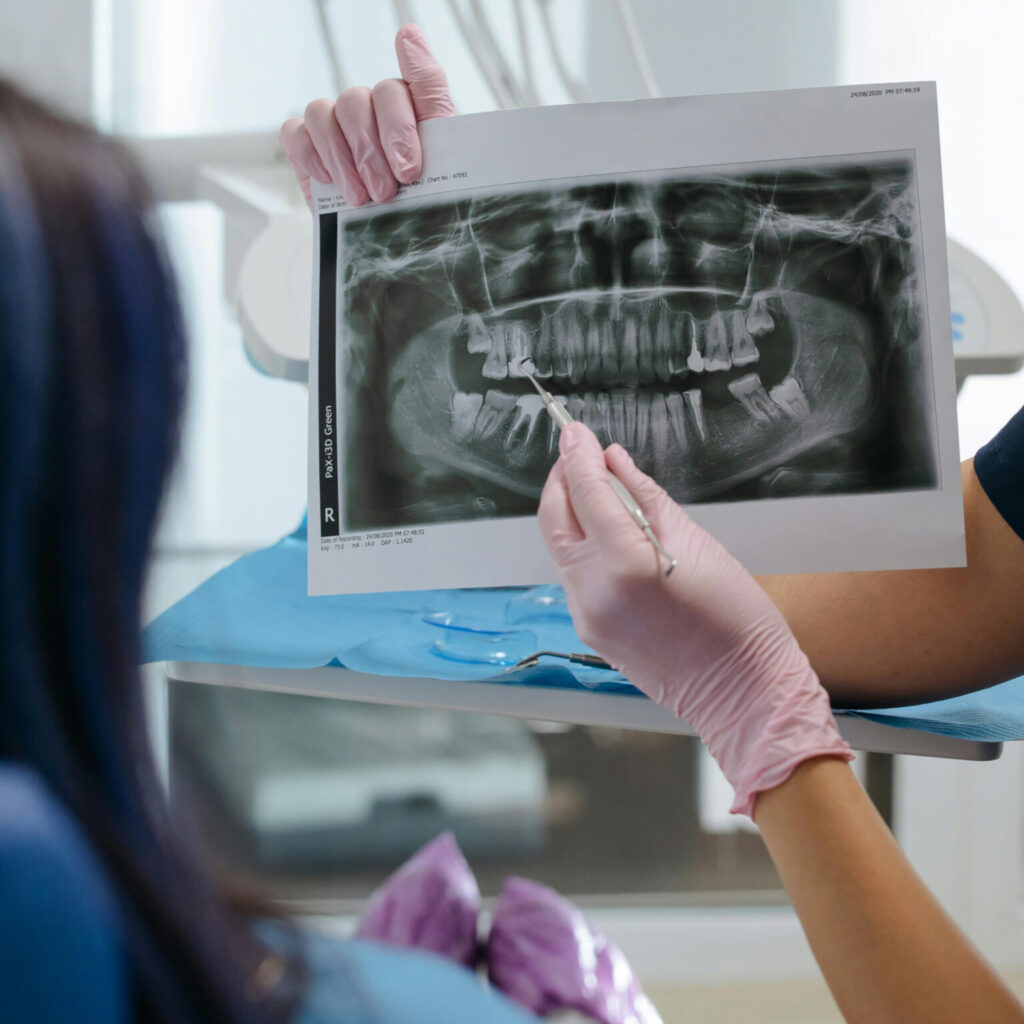
A proper periodontal evaluation includes looking at the gums, measuring pocket depths around each tooth, checking for bleeding, assessing plaque and calculus, evaluating recession, testing mobility if needed, and reviewing X-rays for bone levels. That set of findings tells the real story. Without it, treatment is guesswork.
If the disease is limited to gingivitis, a professional cleaning plus improved home care may be enough. When periodontitis is present, treatment typically involves scaling and root planing, often called a deep cleaning. This removes plaque and calculus from below the gumline and smooths root surfaces so the tissues can reattach as much as possible and inflammation can settle. Local anesthetic is commonly used to keep the process comfortable.
After that first phase, reassessment is critical. Pockets may shrink. Bleeding may decrease dramatically. In many cases, that alone stabilizes the situation if the patient also improves home care. In more advanced cases, some sites remain deep or continue to bleed, and those areas may require additional therapy or referral to a gum specialist.
Maintenance is where long-term success is won or lost. Periodontal disease is usually managed, not “finished” once and for all. Patients who have had periodontitis often do better on shorter recall intervals, sometimes every three to four months rather than every six. That schedule is not a sales tactic when appropriately recommended. It reflects how quickly harmful bacteria can recolonize in susceptible mouths.
Signs that call for professional care sooner rather than later
People often ask when they can watch and wait and when they should book promptly. Certain signs deserve an exam rather than another week of experimentation at home.
- Bleeding that persists for more than a week or two despite careful cleaning
- Gums pulling away from teeth or teeth looking longer
- Loose teeth, shifting bite, or new spaces opening between teeth
- Persistent bad breath or a bad taste that returns quickly after cleaning
- Swelling, pus, or tenderness in one area, especially around a specific tooth
That last point matters. A localized swollen gum can reflect periodontal disease, but it can also signal a dental abscess, a cracked tooth, or a failed filling. Those problems need diagnosis, not trial and error.
The cost question, and why “cheaper” can become expensive
Natural remedies are often chosen because they seem more affordable. On the surface, that makes sense. A rinse, floss, and a better toothbrush cost far less than periodontal therapy. If the issue is mild gingivitis and the person becomes very consistent, that can be a smart first step while still keeping a routine dental exam on the calendar.
The problem appears when visible symptoms improve enough to create false reassurance. Delayed treatment can mean deeper pockets, more bone loss, and eventually more complex care. What might have been addressed with a cleaning and home instruction can progress to scaling and root planing, localized antimicrobial treatment, gum surgery, extraction, or replacement with a bridge, partial, or implant. The financial difference can be dramatic.
There is also a quality-of-life cost. Chronic gum inflammation affects comfort, confidence, chewing, and breath. Patients often normalize these things gradually, especially if the changes are slow. Then after proper treatment, they realize how much better their mouth could have felt months earlier.
A realistic middle ground
This does not have to be framed as natural versus professional, as though one side must lose. In sound dental care, the two often work together. Home measures create the daily conditions that gums need to stay calm. Professional treatment addresses what a toothbrush cannot reach and what an eye cannot diagnose.
A practical middle ground looks like this. If gums are mildly irritated or bleed a bit, tighten up home care immediately. Brush thoroughly but gently, clean between the teeth daily, and reduce anything obviously irritating the mouth. If symptoms do not improve quickly, or if there are stronger warning signs like recession, looseness, swelling, or bad breath that lingers, arrange a professional evaluation. If treatment is recommended, use home care to support it, not replace it.
That approach respects both biology and common sense. It also avoids a frequent mistake, which is dismissing early gum disease because it is not dramatic yet.
Special cases that change the equation
Not every patient starts from the same baseline. Smokers often have more severe gum disease with less obvious bleeding, which can mask the problem. People with diabetes, especially if glucose control is poor, may be more prone to periodontal inflammation and slower healing. Dry mouth from medications changes the oral environment. Orthodontic appliances, crowded teeth, old bridgework, and areas where food packs repeatedly can make plaque control harder and increase risk in specific spots.
Pregnancy can also increase gum sensitivity and bleeding because hormonal shifts affect the tissues’ response to plaque. Better home care helps, but a dental assessment is still wise if inflammation is significant. The same goes for anyone with a history of periodontitis. Once a person has had attachment loss, the threshold for professional monitoring should be lower, not higher.
These are the situations where online advice about “just try this rinse” tends to be most misleading. The right answer depends on the mouth in front of you, the severity of disease, and the risk factors that shape how fast it may progress.
What patients tend to notice after proper treatment
One of the more convincing arguments for professional care is how often patients describe the same improvements. The gums bleed less. Breath stays fresher longer. That vague puffiness or pressure around certain teeth settles down. Brushing no longer feels like an aggravating event. Sometimes even sensitivity improves once inflamed tissues are no longer swollen and plaque-retentive areas are cleaned properly.
There can be short-term trade-offs. After deep cleaning, teeth may feel cleaner but also more sensitive for a while, especially to cold. If swollen gums shrink, spaces between teeth may become more visible, which can surprise people. Those changes are not always pleasant, but they usually reflect reduced inflammation rather than harm from the treatment itself. In the long run, stable, healthy tissue is far preferable to swollen tissue that only looks fuller because it is chronically inflamed.
The bottom line for choosing wisely
Natural remedies have a place in gum care. They can soothe irritated tissues, support healthier habits, and improve mild inflammation when paired with good cleaning. They are useful tools, especially for maintenance and comfort.
They are not, however, a reliable stand-alone answer for established periodontal disease. Once plaque has hardened, pockets have formed, or bone loss has begun, professional gum disease treatment is the safer and more effective path. That does not make home care less important. It makes it more important, because treatment works best when the patient changes the daily conditions that allowed the disease to develop in the first place.
The most sensible question is not whether natural care or professional care is better in the abstract. It is whether the remedy matches the problem. For transient irritation, supportive home care may be enough. For persistent bleeding, recession, bad breath, deep buildup, or mobility, the mouth is asking for more than a rinse.
When in doubt, get the gums examined early. The earlier gum disease is identified, the more conservative, comfortable, and affordable treatment tends to be. That is one of the few rules in dentistry that holds up almost every time.
Dental Group Of Beverly Hills
Address: 8641 Wilshire Blvd #125, Beverly Hills, CA 90211
Phone number: +13109296335
FAQ About Gum Disease Treatment
How to improve gum health quickly?
To improve gum health quickly, eliminate plaque buildup by brushing for two full minutes twice a day at a 45-degree angle to the gumline. Floss daily to clean under the gumline, and rinse with an antimicrobial, alcohol-free mouthwash. For immediate relief of soreness, use a warm saltwater rinse.
What is the fastest way to cure gum disease?
To quickly cure early-stage gum disease (gingivitis), eliminate the plaque buildup causing the inflammation. Brush gently but thoroughly for two minutes twice daily, floss daily, and use an antibacterial mouthwash or a warm saltwater rinse. However, if tartar has hardened, professional treatment is necessary.
How do I treat my gum disease at home?
You can treat early gum disease at home by practicing strict daily oral hygiene, rinsing with salt water or antibacterial mouthwash, and quitting smoking. True gum disease (especially advanced forms like periodontitis) cannot be fully cured at home once tartar forms, and you must see a dentist for professional cleanings.