Periodontal Treatment Ventura for Adults of All Ages

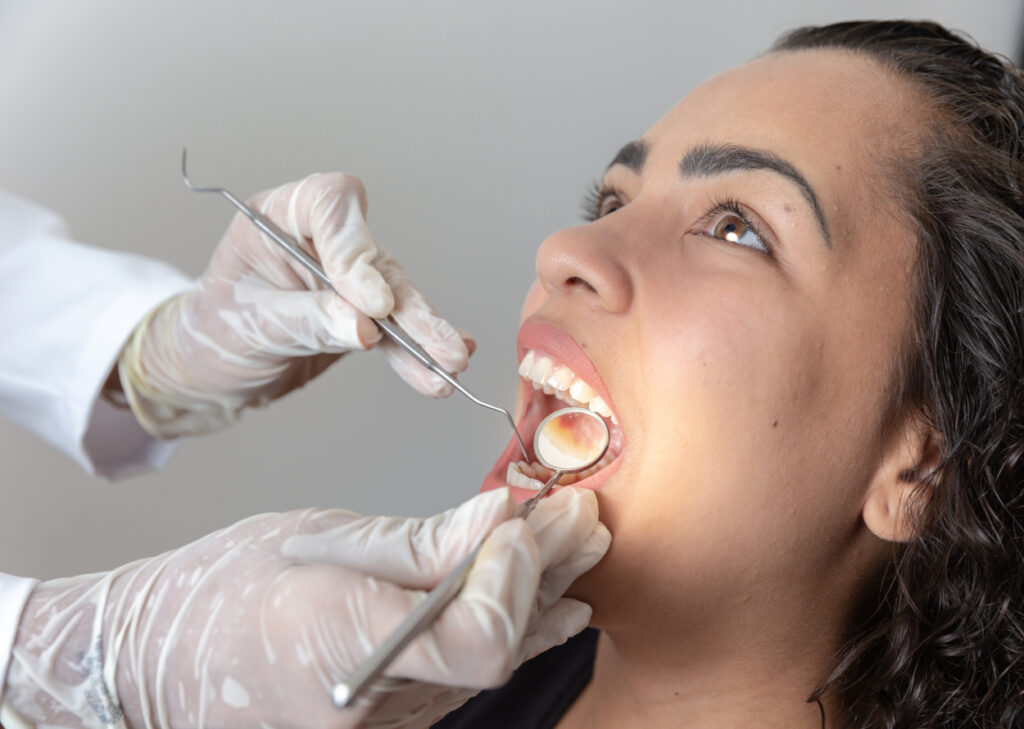
Healthy gums rarely get much attention until something starts to feel off. A little bleeding in the sink. A bad taste that keeps coming back. Teeth that suddenly seem longer than they used to. For many adults, gum disease does not arrive with dramatic pain. It tends to creep in quietly, then gathers speed if it goes untreated. That slow progression is one reason periodontal care deserves more respect than it usually gets.
When people hear the word periodontal, they often think of advanced dental problems or assume treatment is mainly for older adults. In practice, gum treatment serves patients across a wide age range. A person in their late twenties with early bone loss, a parent in their forties juggling stress and inconsistent home care, and a retiree managing dry mouth and multiple restorations may all need some form of periodontal support. Their situations look different, but the goal stays the same: control infection, protect the bone that supports the teeth, and preserve function for as long as possible.
In a community like Ventura, where people value both health and quality of life, that matters. Periodontal Treatment Ventura is not one single procedure. It is a category of care that can range from deep cleaning and monitoring to surgical intervention and long-term maintenance. The best treatment plans are shaped by age, medical history, habits, anatomy, and how far the disease has progressed by the time it is diagnosed.
Gum disease does not play by age rules
Age influences risk, but it does not decide who gets periodontal disease. Plaque is the main driver, yet real life is never that simple. Hormonal shifts, diabetes, smoking, genetics, certain medications, dry mouth, clenching, and even inconsistent sleep can affect the condition of the gums. A healthy 32-year-old can develop serious inflammation around lower front teeth if tartar accumulates quickly and dental visits have been delayed. A 68-year-old with meticulous habits can maintain remarkably stable gums for years with regular periodontal maintenance.
What changes with age is often the pattern of damage and the factors surrounding it. Younger adults may ignore warning signs because they assume gum disease is an issue for much later in life. Middle-aged adults often arrive with a mix of concerns: bleeding gums, old crowns, recession, stress-related grinding, and less time to stay on top of home care. Older adults can face additional complications from medications, reduced dexterity, bridgework, implants, or systemic health conditions that make healing less predictable.
That is why a proper periodontal evaluation matters so much. Looking at gum disease from across the room is not enough. Clinicians measure pocket depths, assess bleeding points, check gum recession, take radiographs when needed, evaluate tooth mobility, and look at bone levels and bite forces. Two mouths can appear similar to a patient and require very different plans once the details are measured.
The earliest signs are easy to dismiss
A surprising number of adults seek help only after they notice loose teeth or visible recession. By that point, the disease has usually been active for a while. The earlier signs are milder and easier to rationalize away. Bleeding while flossing gets blamed on brushing too hard. Chronic bad breath gets pinned on coffee or dehydration. Tenderness near one tooth is ignored because it fades after a day or two.
In clinical settings, some of the most common early clues include:
- Bleeding during brushing or flossing
- Persistent bad breath or an unpleasant taste
- Swollen, puffy, or shiny gum tissue
- Gum recession or teeth that appear longer
- New sensitivity, especially near the gumline
Any one of those does not automatically mean advanced periodontitis. Gingivitis, which is inflammation without attachment loss, can also cause bleeding and swelling. The important distinction is that gingivitis is generally reversible, while periodontitis involves damage to the supporting structures around the teeth. Left unchecked, that damage can become permanent.
Many adults are relieved to learn that treatment does not always mean surgery. A fair number simply need a thorough diagnosis, deep cleaning in affected areas, improvements in home care, and regular follow-up. Others need more involved care because the anatomy of the pockets, the amount of bone loss, or the presence of furcation involvement around molars makes simpler therapy less likely to succeed.
What periodontal treatment actually includes
People often ask whether periodontal therapy is just a “deep cleaning.” Sometimes it is, but that phrase can be misleading because it compresses several different goals into one casual term. Periodontal care is really about infection control, root surface detoxification, reducing pocket depths when possible, and creating conditions the patient can maintain at home.
For mild to moderate disease, scaling and root planing is often the first line of treatment. This involves removing plaque and calculus from above and below the gumline and smoothing the root surfaces where bacteria tend to collect. Depending on the number of involved areas and patient comfort, treatment may be done over more than one visit with local anesthetic.
After initial therapy, the tissue needs time to respond. Some pockets shrink as inflammation decreases. Bleeding often improves quickly when the bacterial burden drops and home care becomes more effective. However, not every area resolves the same way. Deep, narrow defects around certain teeth can remain problematic, especially if there are root grooves, crowded teeth, or old restorations with margins that trap plaque.
When residual deep pockets persist, a periodontist may recommend localized surgery to gain better access, reshape defects, reduce pocket depth, or in selected cases regenerate lost supporting structures. Regenerative techniques can involve membranes, bone grafting materials, or biologic agents, but they are not appropriate in every defect. The anatomy has to be favorable enough to justify the approach.
Gum grafting enters the picture for a different reason. Recession can expose roots, increase sensitivity, make brushing uncomfortable, and leave areas more vulnerable to wear. Soft tissue grafting is not just cosmetic. In the right patient, it can improve comfort, reinforce thin tissue, and help stabilize vulnerable sites.
Some adults also need treatment around dental implants. Peri-implant inflammation can mimic periodontal problems and should never be brushed aside. Implants do not get cavities, but the bone and tissue around them can still break down if plaque control is poor or the implant design makes cleaning difficult.
Adults in their twenties and thirties often miss the window for easy treatment
Younger adults generally have one major advantage: less cumulative damage. That can make treatment simpler and outcomes better, provided the disease is caught early. The problem is behavioral, not biological. People in this age group are more likely to move, change jobs, lose continuity of care, or postpone dental visits because nothing hurts yet.
A common scenario is a patient who has not had a cleaning in three or four years, brushes once a day when exhausted, rarely flosses, and notices occasional bleeding. They may have excellent teeth from a cavity standpoint and still show pocketing around molars or lower front teeth. In some cases, there is a family history of gum disease, which can make the progression more aggressive than expected.
At this age, the emphasis is usually on intervention before the disease becomes structurally costly. Early periodontal treatment can spare patients from future gum grafts, complex surgeries, or tooth loss decades later. It can also protect confidence. Recession around front teeth is far easier to prevent than to reverse perfectly.
There is another point younger adults https://www.google.com/maps?cid=6886544599407677320 appreciate once it is explained plainly: bone loss around teeth does not grow back on its own. Inflammation can calm down. Tissues can tighten. Bleeding can stop. But once support is lost, the job becomes preservation rather than restoration in many areas. That reality changes how seriously people take home care.
The forties and fifties are often the turning point
This is the age range where several stressors tend to collide. Work demands rise, caregiving responsibilities expand, sleep gets worse, medications enter the picture, and old dental work begins to show its age. It is also the period when long-standing gingivitis may tip into periodontitis if maintenance has been inconsistent.
For adults in this stage, Periodontal Treatment Ventura often needs to account for a more complex mouth. A crown margin may be irritating the tissue. A bridge may be difficult to clean underneath. Clenching may be accelerating mobility in teeth with reduced support. Dry mouth from blood pressure or antidepressant medication may be making plaque control harder. None of these factors works in isolation.
Treatment planning here requires judgment. Sometimes a tooth can be maintained safely with periodontal therapy and disciplined maintenance. Sometimes the same tooth, if paired with a fracture, advanced mobility, or poor crown-to-root ratio, is better considered for extraction and replacement planning. Good periodontal care is not about saving every tooth at any cost. It is about making durable, defensible decisions.
Patients in this age group often respond well when the conversation is direct and practical. They want to know how much treatment is needed, how uncomfortable it will be, what recovery looks like, and whether the condition can be stabilized. Most are capable of excellent outcomes once they understand that gum disease is manageable, but it is not something to “clean up once” and forget.
Older adults need care that respects healing, comfort, and function
Periodontal treatment for older adults is not automatically more aggressive. In fact, it is often more individualized and more conservative in the right ways. The main question is not age alone. It is whether treatment will improve health, comfort, and function in a way that fits the patient’s broader medical reality.
An older adult may have recession from decades of brushing force rather than active destructive disease. Another may have active inflammation driven by plaque retention around crowns and bridges. Someone with arthritis may struggle to floss effectively but do very well with interdental brushes or a water flosser. Someone taking multiple medications may have dry tissues that are easily irritated and slow to recover.
There is also the issue of priorities. For a healthy, active 72-year-old who expects to keep their teeth for decades, treating moderate periodontitis aggressively may be the right choice. For a frail patient with limited mobility and several competing health concerns, the more appropriate goal may be infection control, comfort, and simplified home care rather than complex surgical correction.
That distinction matters. Dentistry is full of procedures that are technically possible. Periodontal care works best when it is clinically appropriate and personally sustainable.
What recovery and results usually look like
One of the reasons adults delay care is fear of discomfort. The reality is usually more manageable than expected. Non-surgical therapy often leaves patients sore rather than truly incapacitated. Gums can feel tender for a few days, roots may be temporarily more sensitive to cold, and minor bleeding can occur during the early healing period. Most people return to normal activity quickly.
The larger adjustment is behavioral. Once calculus is removed and inflamed tissue starts to tighten, areas that were impossible to clean may become easier, but only if the patient changes technique. Brushing harder is not the answer. Consistent, gentle plaque disruption along the gumline matters more than force. Interdental cleaning has to fit the mouth. Floss works well for some people, but others do better with soft picks, proxy brushes, or powered irrigation depending on the spacing and restorations present.
After active therapy, reevaluation is essential. Clinicians compare pocket depths, bleeding scores, and tissue tone to the baseline findings. This is the point where a plan either proves it is working or reveals that additional intervention is needed. Skipping the reevaluation stage is one of the most common ways periodontal problems stay half-treated.
Most adults with a history of periodontitis are placed on a periodontal maintenance schedule rather than routine six-month cleanings. The exact interval varies, but three to four months is common because harmful bacteria repopulate below the gums faster in susceptible patients. That schedule is not arbitrary. It reflects what tends to keep disease stable over time.
Questions worth asking at a periodontal visit
Patients get better care when they understand what they are being told. If a provider recommends treatment, it is reasonable to ask for a clear explanation of the findings and the rationale. A helpful discussion usually covers these points:
- How deep are the pockets, and which areas are most concerning?
- Is there bone loss, and if so, how much can be seen on imaging?
- Is the problem mainly inflammation, or is there structural damage too?
- What can be improved with non-surgical care, and what might need referral or surgery?
- What maintenance schedule is realistic after treatment?
Those questions do more than clarify the diagnosis. They also reveal whether the plan is individualized or generic. Gum disease rarely behaves the same way in every mouth, so the treatment discussion should feel specific to the patient sitting in the chair.
The home care piece matters more than patients want it to
Professional treatment can remove what a toothbrush cannot. It cannot brush twice a day for you or clean under a bridge every night. That is not a moral judgment. It is just the biology of periodontal disease. Bacteria recolonize quickly, and the architecture of deeper pockets makes self-care more important, not less.
The good news is that home care does not need to be elaborate to be effective. It needs to be repeatable. A patient with a simple routine done well will usually outperform someone with an expensive collection of gadgets used inconsistently. For many adults, success comes from reducing friction. Keep the brush visible. Use the interdental tool that actually fits. If floss shreds around rough margins, say something. If hand dexterity is limited, switch to aids that require less precision.
Diet and lifestyle also influence gum stability, though not in a simplistic way. Smoking remains one of the strongest risk factors for poor periodontal outcomes and impaired healing. Blood sugar control matters in diabetic patients. Chronic dry mouth increases the burden on the tissues. Stress alone does not cause periodontitis, but stress-related habits and neglect often worsen it.
Choosing care in Ventura with the long view in mind
When adults look for Periodontal Treatment Ventura, they are often focused on the immediate issue: bleeding gums, a referral, a painful area, a tooth that feels loose. Those concerns are valid, but the better question is whether the practice and provider can help manage the condition over time.
Periodontal care is rarely a one-visit transaction. Even when the active phase is straightforward, long-term success depends on monitoring, maintenance, and occasional course correction. A good office explains findings in plain language, documents changes carefully, coordinates with the general dentist when needed, and avoids both extremes, undertreatment and overtreatment.
That matters especially in borderline cases. Not every 5 millimeter pocket needs surgery. Not every mobile tooth needs extraction. Not every recession defect needs grafting. The strongest treatment plans come from measured judgment, not automatic protocols.
Adults of all ages benefit from that kind of care. The younger patient gets a chance to prevent lifelong damage. The middle-aged patient gets a realistic plan to stabilize a complex mouth. The older patient gets treatment that protects comfort and function without ignoring medical context. Across all of those scenarios, the principle is the same: healthy gums are foundational, not optional.
A mouth with stable periodontal support is easier to clean, easier to restore, more comfortable to use, and more predictable to maintain. That is why gum treatment deserves attention before the warning signs become impossible to ignore. When addressed at the right time, with the right diagnosis and the right follow-through, periodontal therapy can preserve far more than gums. It can protect the future of the entire dentition.
Avra Dental
Address: 1708 S Victoria Ave B, Ventura, CA 93003
Phone number: (805) 941-1001
FAQ About Periodontal Treatment Ventura
Can a dentist get rid of periodontal disease?
A dentist or gum specialist (periodontist) cannot fully cure or reverse advanced periodontal disease (periodontitis), but they can successfully stop its progression and manage the infection.
Is periodontitis very serious?
Yes, periodontitis is a very serious, advanced form of gum disease that destroys the bone and tissues supporting your teeth.
How is stage 2 periodontal disease treated?
Stage 2 periodontal disease (early to moderate periodontitis) is primarily treated with non-surgical deep cleaning procedures like scaling and root planing to remove bacteria and tartar below the gumline.